
Record Sets for Former Alleghany County Owners
Alleghany County was organized in 1822, and the Circuit Clerk's land series anchors any search for a property's recorded owners. Not every deed book survives. Some volumes sit only at the courthouse. Treat the dates in the table as custody clues rather than proof that each year is digitized or instantly available. Availability shifts with indexing and film condition. Before traveling or ordering copies, ask the Clerk or the archive to confirm the exact volume you need.
| Source | Years It Covers | Where Held | What It Shows |
|---|---|---|---|
| SRA land-record index | Online cutoff not published | Circuit Clerk / Virginia courts | Indexed parties and instrument references where enabled |
| Deed books and indexes | County series begins in 1822; exact runs unverified | Circuit Clerk; older records may be archival | Earlier conveyances and party references |
| Recorded plats | Coverage dates not located | Circuit Clerk; GIS is a reference aid | Subdivision, lot, road and easement context |
| Historical collections | Census records and local materials vary by collection | Library, historical society, LVA and catalog services | Names and place clues, not proof of title |
Work from the newest deed backward. Continue while the online index cooperates. When it stops, ask the Clerk about courthouse deed books, indexes and microfilm, then search the Library of Virginia and FamilySearch catalogs for Alleghany's record series. Local history collections help decode an old street, family name or railroad reference. A name match is not proof yet. Return to a deed, probate order or plat to confirm the land connection.
Alleghany's Online Deed Cutoff Is Not Published
Virginia SRA supplies the county's land-record access. Its official pages never state a first available year for Alleghany County. Index-only viewing may be enabled without a fee. Images are different. They require a clerk-authorized subscription, a signed agreement and applicable charges. Do not assume the nineteenth-century series is online. Do not infer an earliest year from another county's cutoff.
When a search returns nothing, broaden name variants and legal-description terms first. Then call the Clerk at 540-965-1730. Ask which year range is indexed. Ask whether the instrument sits in an older book. Ask whether a courthouse terminal or microfilm can be consulted. Ask what copy fees apply. Note where the online record stops so another researcher can resume from the same spot.
A missing online entry is a coverage question. It does not prove the land never changed hands. Continue through the physical and archival source chain.
Walk the Alleghany County Chain Backward
Pull the current assessment card first. It identifies the parcel, owner and legal description. Search the Circuit Clerk's index for the current grantee, since each deed names the next grantor to chase. The goal is one connected parcel. Collecting every hit for a surname is not the point, and a lot split, estate conveyance or changed description can break a tidy one-name sequence.
- Find the newest deed matching the parcel's legal description.
- Write down its grantor, grantee, recording date and instrument reference.
- Search the grantor as a grantee to find that party's acquisition.
- Compare acreage, lot and block, adjoining features and parent parcel clues.
- Move to deed books or archives when the online search reaches its cutoff.
- Grantor
- Party conveying the recorded interest.
- Grantee
- Party receiving the recorded interest.
- Chain of title
- Linked transfers for the same land over time.
- Legal description
- Deed wording that identifies the conveyed property, even when its address changes.
Old Alleghany Descriptions May Not Use Today's Address
Rural Virginia deeds rarely lean on a street number. Metes and bounds, acreage, a watercourse, a road, an adjoining owner or an old community name usually do the describing instead. In railroad-era Covington and Clifton Forge records, a right-of-way, mill, creek crossing or station can out-clue the modern address. Search the present owner, the prior grantor, the parcel ID and phrases from the legal description. Then compare any referenced plat.
Alleghany's E911 Location Address Program sits within county Planning and Zoning. A corrected street number or road name can change the modern situs without changing the land conveyed. Lot splits complicate things further. A split creates a new Property ID. Older deeds still cite the parent tract.
Precinct names such as Clifton Forge East, Clifton Forge West, Iron Gate, Low Moor, Callaghan and Humpback Bridge work as historical place terms. They are not formal subdivisions. Verify each against a recorded plat.
Probate Can Explain a Break in the Former-Owner Chain
An executor or administrator can move land through a fiduciary deed, court order, partition or sale. Search the decedent as both grantor and grantee. Then identify the fiduciary. The probate case shows the authority to convey. A will or death certificate can point to the right person. The deed and court order still prove the transfer.
Virginia restricts recent death certificates through eligibility rules, with public release periods applying to older records. The Virginia Department of Health explains certificate access, eligibility and fees in its FAQ, so review current VDH rules before requesting family-history material.
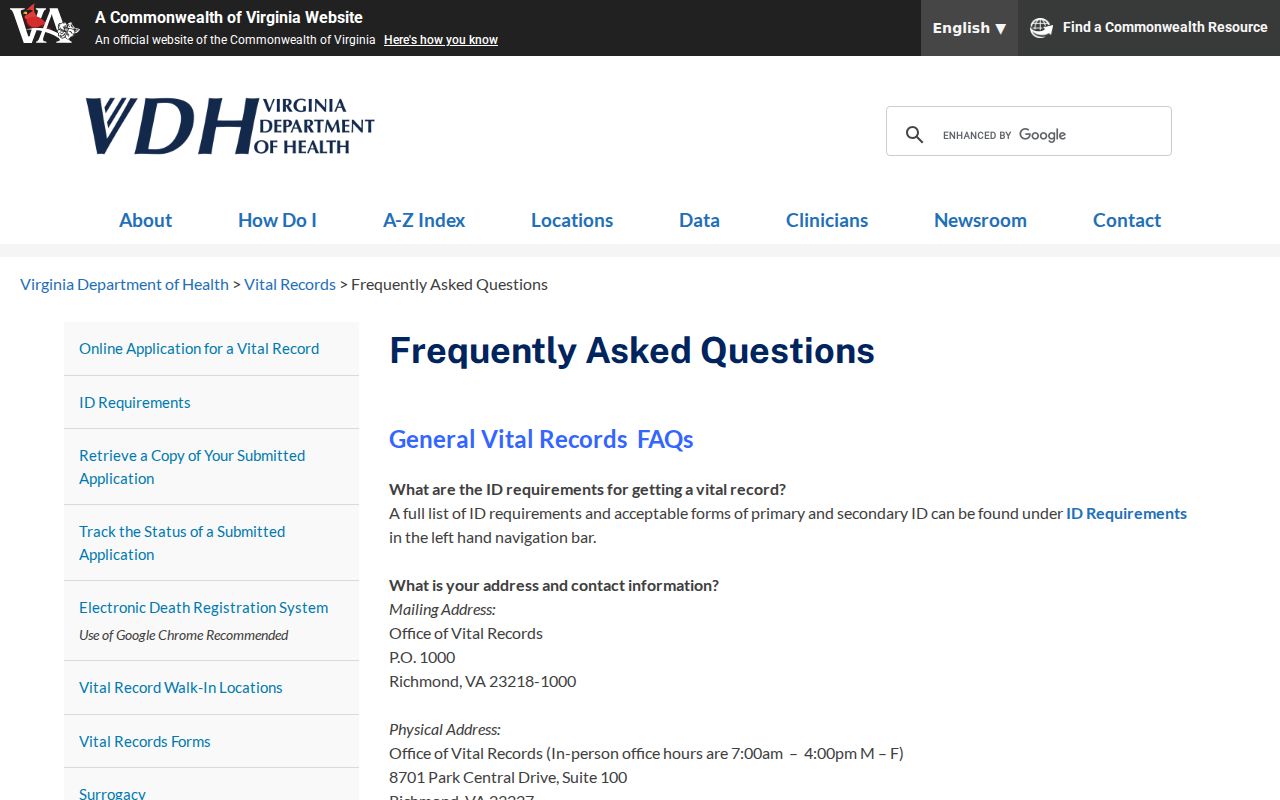
A certificate can anchor a family event in time. The executor's deed, probate order or recorded conveyance is what ties that event to the land.
Trusts, life estates, survivorship and corporate mergers also bend the name trail. Search the trustee, estate, entity and individual parties separately. The Virginia SCC clarifies an entity's name and status. The Circuit Clerk remains the land-record custodian. Avoid treating a genealogical relationship as proof that someone actually inherited title.
Ask the Clerk about probate file access and restrictions. Compare the legal description in the case order with the recorded deed before adding the transfer to a chain.
Alleghany Archives and Family-History Clues
The Alleghany Highlands Regional Library keeps a Virginia Collection for local genealogy. The Alleghany Historical-Genealogical Society describes a special section there holding county census records, Civil War books, family materials and an alphabetical resource index. Those shelves often yield earlier names, households and place terms that fade from modern records. Call ahead about branch hours, microfilm and database access. Older county series usually live at the Library of Virginia, the state archive and catalog route for material that predates local holdings. FamilySearch may carry digitized Alleghany County deed or probate images. Coverage and viewing limits vary by collection. Census pages and obituaries can identify a person. They cannot show that person owned a particular parcel. For that, the deed record still governs. Read the local genealogy guide before planning a search.
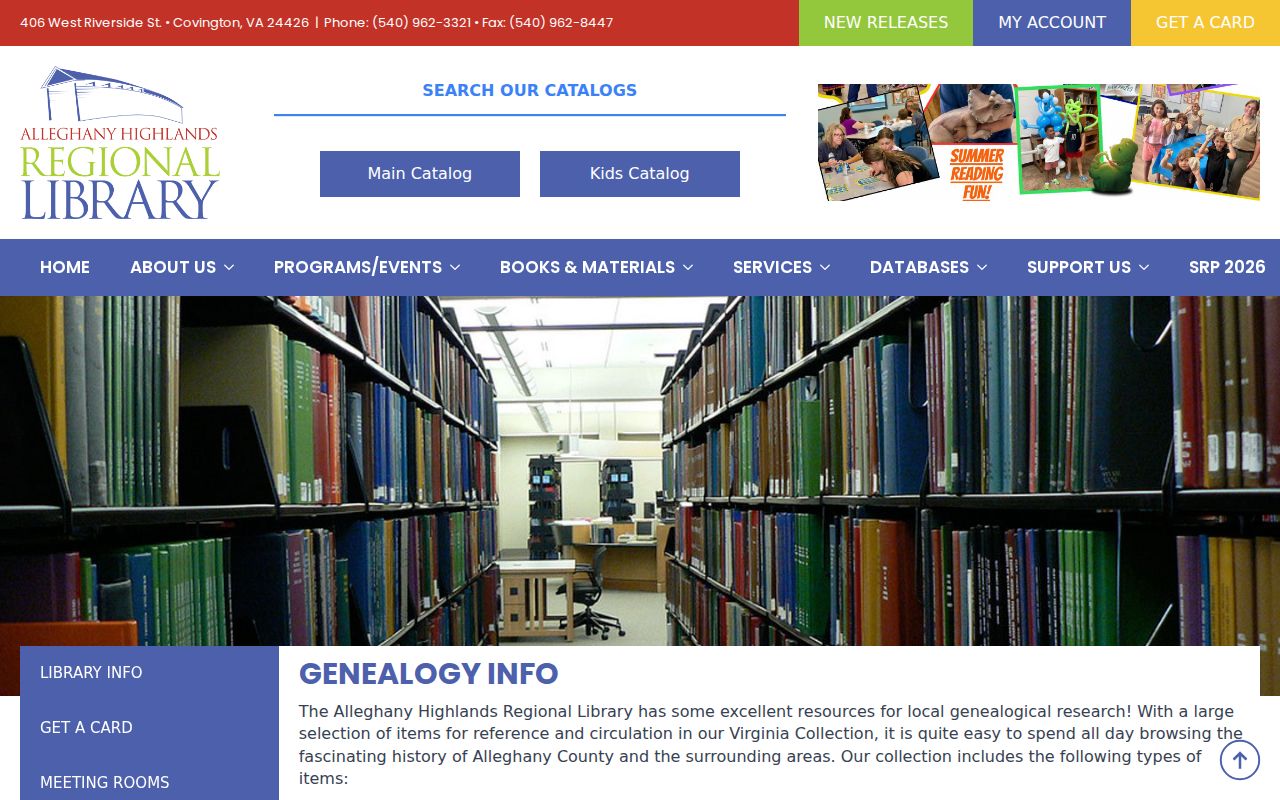
The Alleghany Historical-Genealogical Society maintains its own special-section collection of Alleghany County census, Civil War and family materials. Read the Society's collection information before visiting.
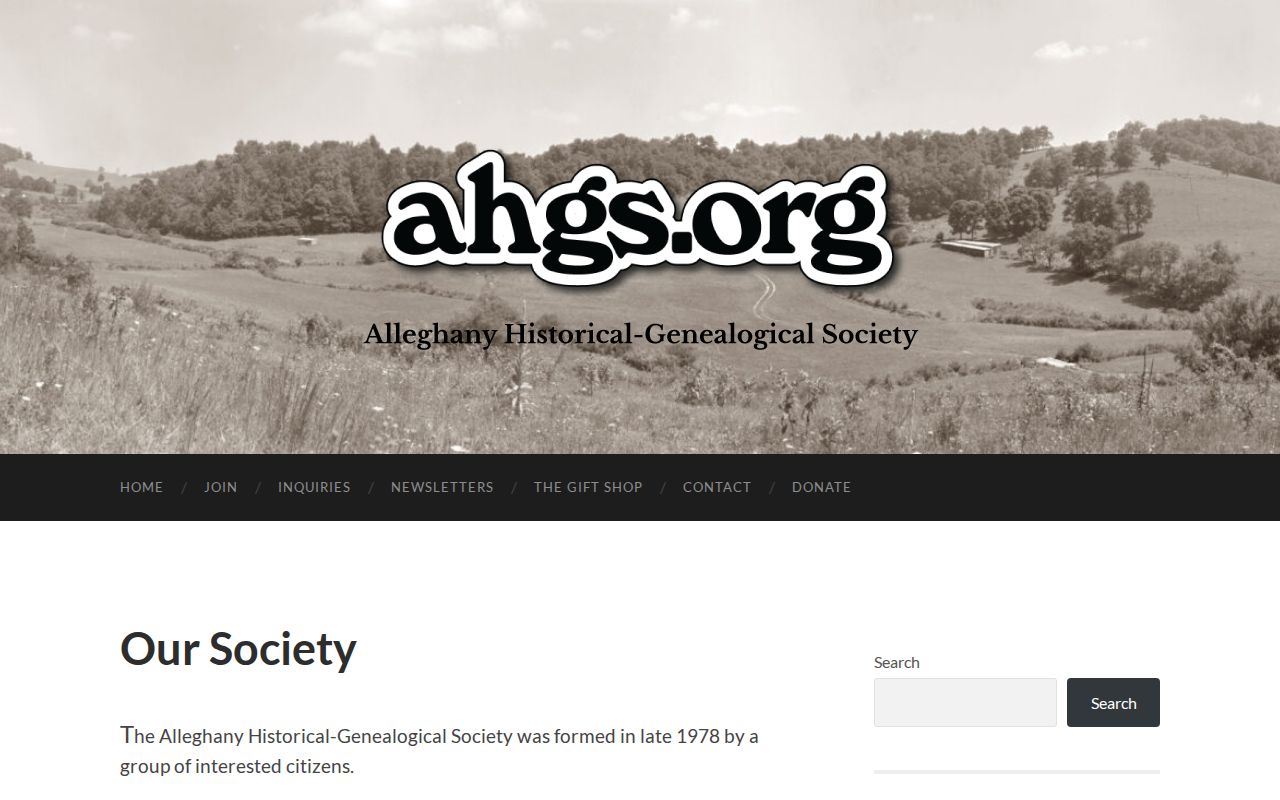
Treat these materials as context for names and places. A census entry or family file never proves title to a specific Alleghany County parcel.
Court Dockets Can Explain a Transfer Without Proving Title
Court dockets answer a different question than deed records. An estate file or bankruptcy case may explain why an owner transferred property. The docket itself is not a substitute for the recorded conveyance. Federal bankruptcy records sit with the federal courts' PACER service. Review PACER's access information before searching. Finding a name there does not tie an owner or parcel to that case. No Alleghany County parcel is bound to it by that fact alone.
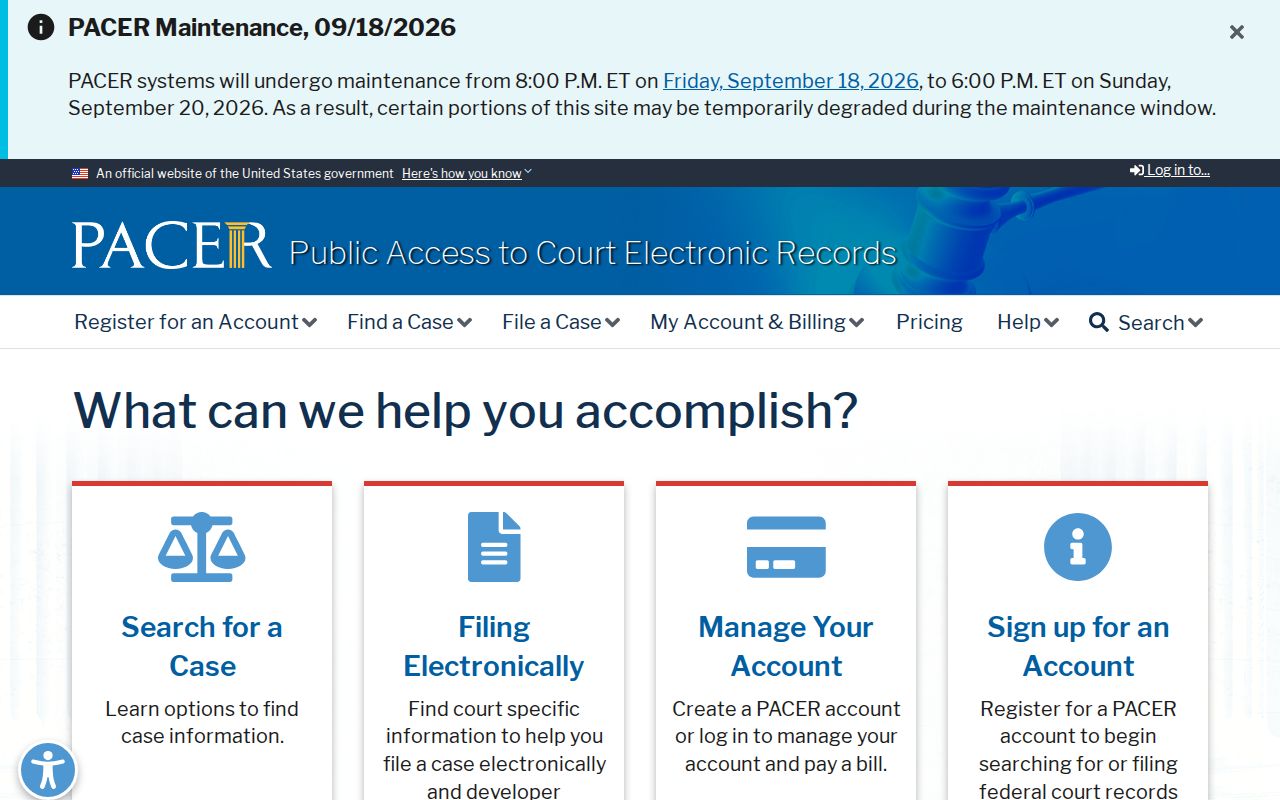
Treat a docket number and its filed instruments as leads. Confirm any real-estate transfer in the Circuit Clerk's deed or probate record. A name match alone connects nothing. Parties, dates and the land description must line up. Only then can a case be linked to one parcel in Alleghany County.
Railroad-Era Clues in Older Alleghany Property Records
Alleghany County property records reach back to an 1822 founding. The region was shaped by rail, river, roads and mills. Old deeds can puzzle a modern reader. They may cite a station, a railroad tract, a mill, an old road or a community. Such places may no longer appear on an address list. The restored 1908 C&O Covington Passenger Depot sits at 149 Maple Avenue. It now houses the Alleghany Historical Society. Its photographs and local-history materials often explain those vanished references. The depot is a context source, though, not a recorder. Ask the Society for map and photo leads. Then check every property claim against the Clerk's deed book, plat or probate file. A historic name may cover a whole district rather than one parcel. Compare physical features, owners and boundary calls across successive instruments. Visit the Alleghany Historical Society for local-history information. That is where the railroad-era questions start.
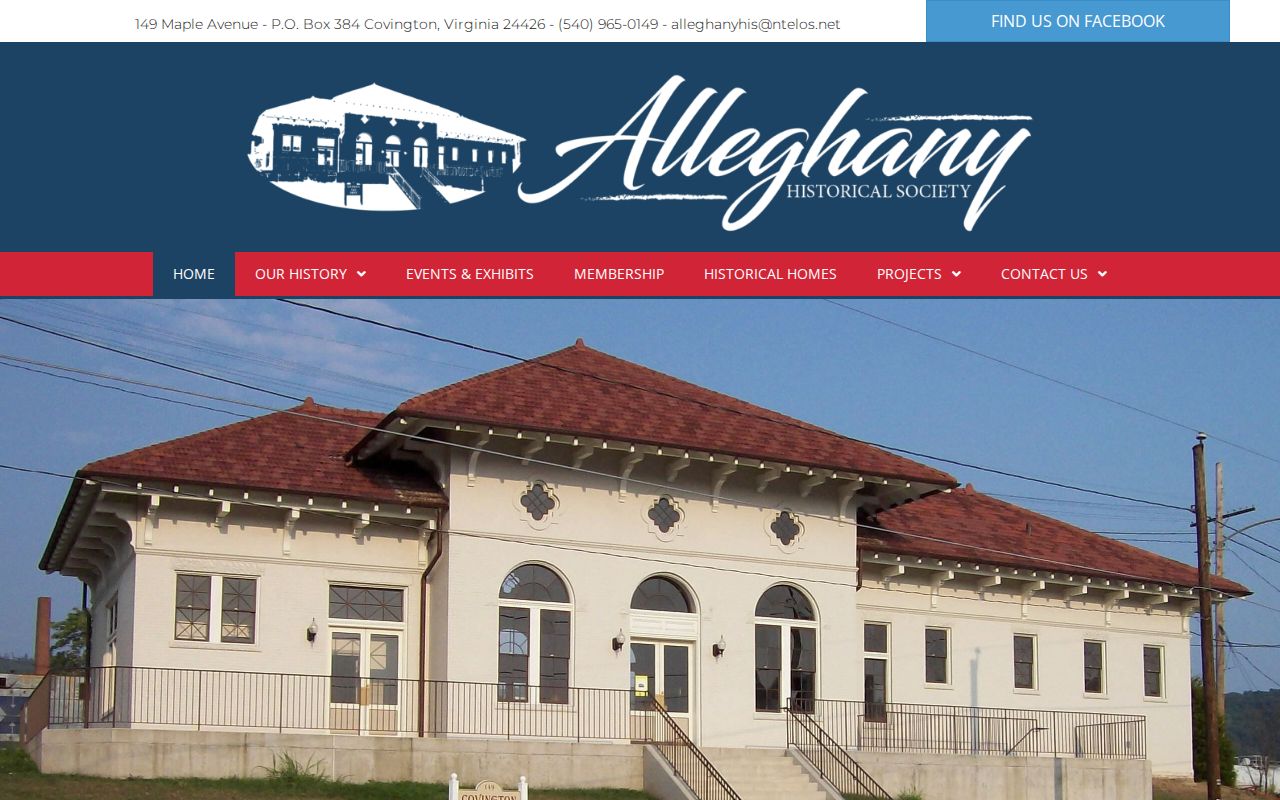
Use historic context to guide the next deed-book search, not to replace it.
Walking the Alleghany County Deed Chain Backward
Start with the newest instrument and walk backward. In the SRA index, today's owner usually appears as grantee on a purchase deed. That deed names the prior owner as grantor. Search that prior owner as a grantee to reach the earlier acquisition, comparing each parcel description before moving on. Surnames can mislead here. Common family names sometimes join unrelated Alleghany County properties unless the legal descriptions are checked at each step.
- Find the current owner's acquisition deed by searching the owner as grantee.
- Record the seller, execution and recording dates, book/page or instrument number, and legal description.
- Search the seller as grantee to locate the prior acquisition, then verify that its land description continues the same tract.
- When the online index stops, ask the Circuit Clerk how to continue in deed books, grantor-grantee volumes or microfilm; the digital cutoff was not published in the sources reviewed.
- Grantor / grantee
- The grantor conveys an interest; the grantee receives it. A name can appear in either role across different transactions.
- Chain of title
- The linked sequence of recorded instruments showing how interests passed from earlier parties to later owners.
- Legal description
- The land description identifies the tract in the instrument and can remain useful when a rural address changes or was never assigned.
How Far Back Alleghany County Ownership Can Be Traced
How far back can ownership go? The Clerk's system dates to the county's 1822 organization, but deed-book runs and the earliest online year are questions for the Clerk's office itself. Ask which indexes survive for a specific surname or tract rather than assuming a gap. Each archive catalog entry and book is its own coverage question. No courthouse fire or digitization cutoff should be presumed without asking. Where the formal deed trail ends, the Library of Virginia, the regional library, the historical society, FamilySearch, census schedules, newspapers, church records and cemetery associations can add context. Names still need support. Pair a historical name with a deed, tax roll, probate order or plat before calling anyone an owner of record. Note where each clue originated. Distinguish direct land evidence from secondary context every time.
Lawful use. Research past owners for title work, estate questions and house history. Do not use names or addresses to track, threaten or harass a living person.