
Three Different Alleghany County Property Value Measures
Value questions in Alleghany County tend to tangle together three separate measures. One is the government assessment on the roll. Another is an estimate of what a parcel might fetch on the open market. The third is the consideration written into a single recorded transfer. Keep the source and the meaning straight. The Commissioner's record holds the assessment components and their year. A deed may carry a stated price. What the clerk's deed records display can vary by document, though. A market appraisal is a professional opinion commissioned for a purpose. It is not a public field on any county property search result.
| Value | What It Is | Where |
|---|---|---|
| Assessed value | Roll figure used in the property-tax system for a stated year | Commissioner / VamaNet |
| Market value | Estimate at an assessment date; not necessarily one sale's price | Assessment methodology and evidence |
| Recorded consideration | Evidence tied to a particular transfer, if shown in the instrument | Circuit Clerk deed |
| Land and improvements | Separate components that together form the total assessment | Commissioner record, if displayed |
Alleghany's 2020 government material states a 100 percent fair-market assessment level. Check current notices for any later method change. One caution: an individual sale may be a family transfer, a gift, a partial interest, or a distressed deal. It may not be a true market event. Sale price and assessed amount can differ. The transaction and the tax roll answer different questions.
The 2025 Alleghany County Reassessment Year
The county brochure reports that the last general real-estate reassessment was completed for tax year 2025. It follows a six-year cycle. Match the year printed on the record whenever you compare values. That year belongs to the roll. It is not the date a deed was recorded or a buyer closed. The county publishes no townwide trend, parcel count, or percentage change. Don't guess a countywide average from a few cards.
Between general cycles, parcel values can shift through construction, lot splits, corrections, or program status. A recent recorded sale is one comparison point. Still, the assessor value reflects the county's valuation date and its methodology. For one parcel, compare the land, improvement, and total figures. Ask which year and record version you are viewing. The Commissioner is the assessment custodian. Visit the official office page for current program and contact details.
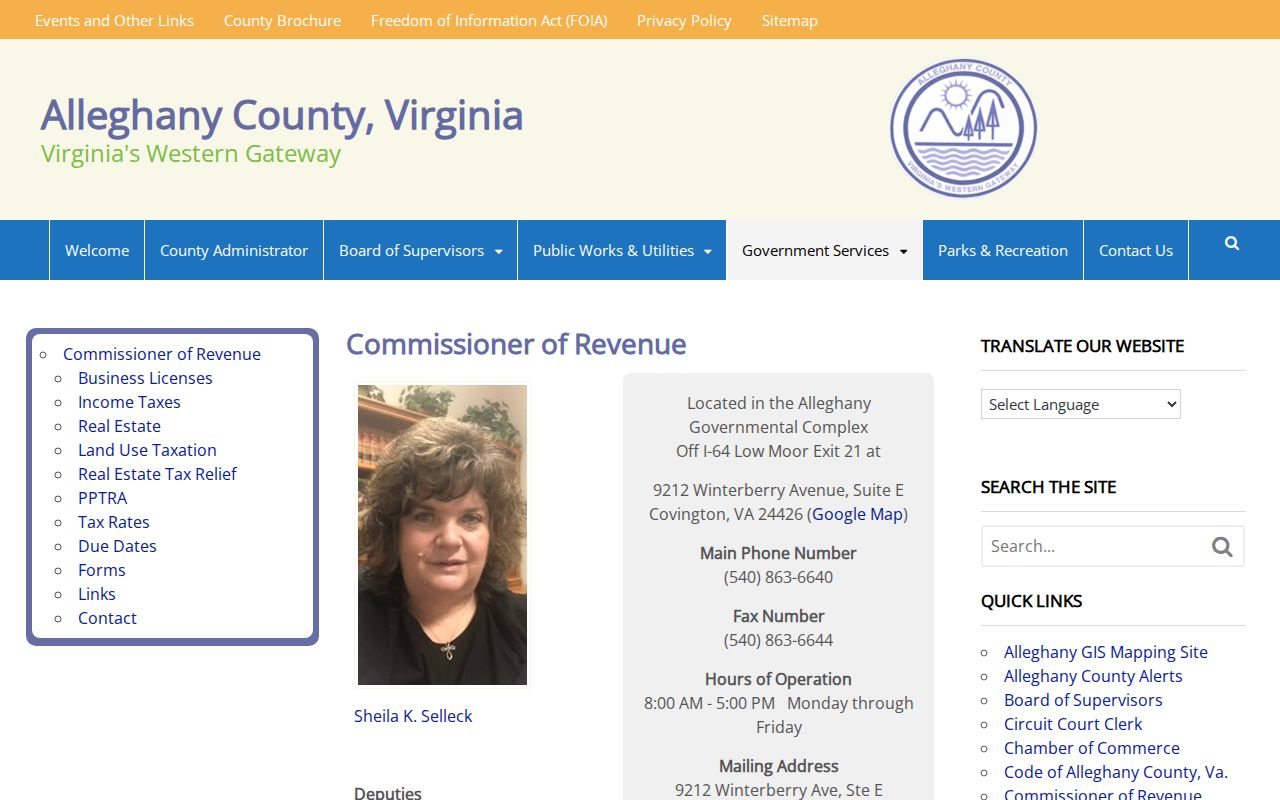
Confirm a 2025 value is still the active figure before using it in any current comparison.
Alleghany's Documented Assessment Level
Government material from 2020 covers Alleghany real estate. It describes assessments at 100 percent of fair-market value. That is a documented historical reference. It is not a promise that a current card equals today's sale price. A mass assessment is built for a tax roll and an assessment date. Market conditions move after that date, and every parcel has its own features. Virginia's real-property tax chapter supplies the statutory framework. But it does not turn a roll value into a private appraisal, guarantee a sale amount, or reveal a buyer's offer. When the valuation matters to a purchase, an estate, or financing, get a properly scoped professional appraisal. Compare its effective date with the county record. Virginia's assessment statute is posted online; confirm current local methodology with the Commissioner.
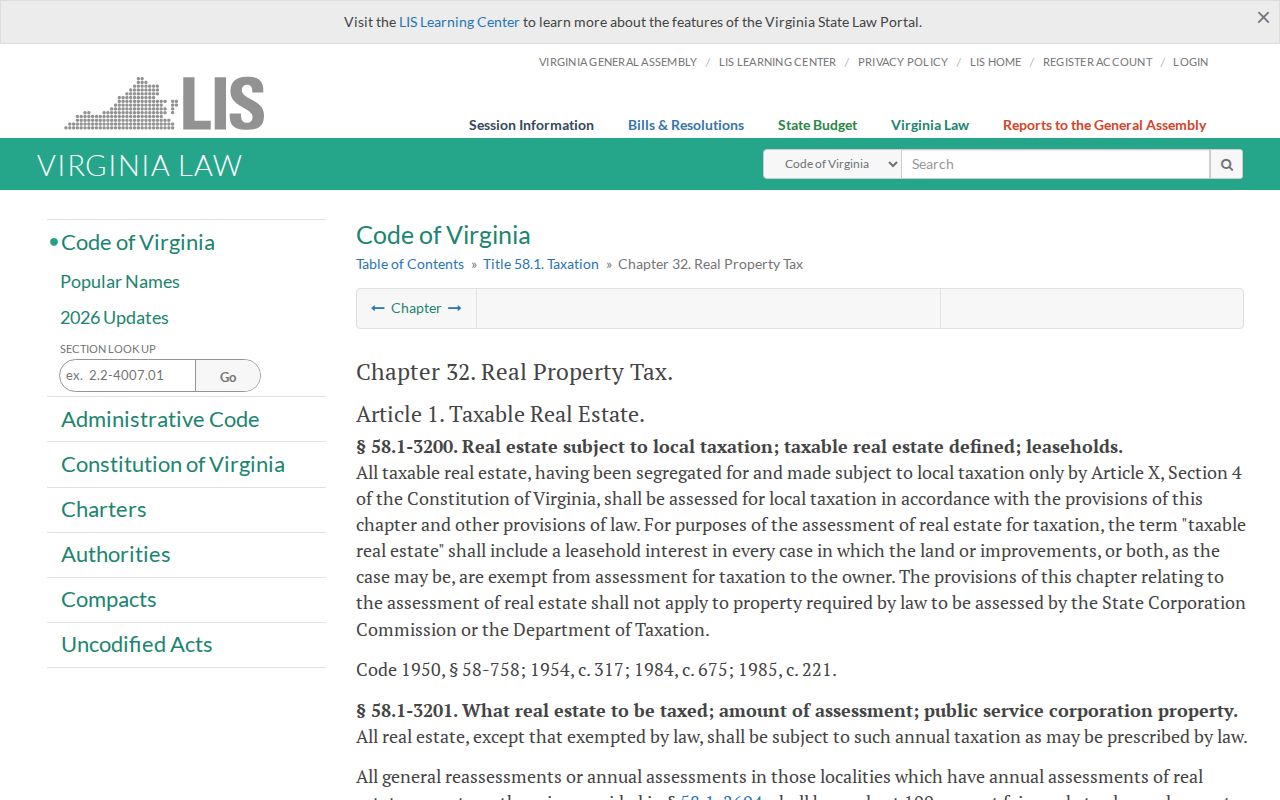
Read the statute and the local office materials together whenever a parcel-specific question comes up.
Compare Land and Improvement Values Separately
When an assessment card shows separate land and improvement fields, review both. Do not trust the total alone. A rural acreage parcel, a small town lot, and a historic building carry very different component shares. A higher improvement figure does not by itself signal a recent sale. Nor does a land-use classification apply to every property outside town. Alleghany's land-use program can lower the taxable figure for qualifying acreage. The Treasurer describes it as a deferral rather than a full abatement. Ask the Commissioner about eligibility. Ask also how the program changes the displayed valuation. The county documents no complete local threshold or parcel-specific formula. Keep the roll year and any land-use indicator attached to the numbers. Without those details, a valuation change is easy to mistake for something else. It could be a classification or timing difference.
Find the Assessed Value for an Alleghany Parcel
The VamaNet assessment entry can be searched by address, owner, or parcel key. Dynamic search controls vary, so enter a complete Property ID when you have one. Preserve the number exactly as displayed. The Treasurer confirms that the real-estate Property ID runs 14 digits. The number has no documented pieces. The county documents no further internal structure for it.
- Locate the parcel through VamaNet or first use WebGIS to resolve the situs.
- Record owner, Property ID, legal description and assessment year.
- Note land, improvement and total values separately where displayed.
- Use the deed index to locate sale evidence and check its recording date.
- Ask the Commissioner to explain a missing field or a value-year mismatch.
- Assessed value
- The value shown on the roll for a stated assessment year.
- Market value
- An estimate at a particular date, not one guaranteed transaction price.
- Recorded consideration
- Transfer evidence in an instrument when shown; not confirmed as a live field.
- Reassessment
- A general reevaluation cycle; Alleghany's last completed cycle was for 2025.
Recorded Sale Evidence Is Not the Assessment
A deed is its own kind of evidence. The instrument may state consideration, or it may carry a transfer-tax stamp, and those figures belong to a conveyance rather than to the tax roll. An assessment history, by contrast, records roll values the assessor set each cycle. The dates differ. The numbers can differ too, because a transfer may be partial, within a family, distressed, or otherwise off the open market. Treat the two documents as separate witnesses, not as one answer.
When comparing them, line up the grantee, the legal description, and the recording date against the assessment card. A mailing address is not the sale location. A GIS shape shows boundaries, not a price. If a sale figure will drive a financial decision, pull the recorded instrument itself and ask a qualified appraiser or real-estate professional how to read it.
For bills, exemptions, and review steps, the separate Alleghany County property tax records guide covers payment obligations; this page sticks to what the value figures mean.
Town Parcels Need Parcel-Level Value Comparisons
Clifton Forge and Iron Gate get town tax tickets. Ownership and assessment records still run through county and state systems. No townwide median exists. The same goes for a total assessed value or a value trend. Compare actual assessment cards across years and parcel types. Do not claim the 2025 reassessment lifted or lowered an entire town instead. Older Clifton Forge lots near the downtown and rail corridor may carry a different land-to-improvement mix. Rural acreage may differ. Iron Gate's small parcels may show their own pattern. Treat that as a question to check against the records, not a settled fact. Lot size, improvements, land-use status, and recorded sales explain most differences between neighboring parcels. Each detail sits on the assessment card or deed record. Check the parcel number first. A county tax roll should never be compared against an independent City of Covington property. The two sit under separate taxing jurisdictions.
Check an Appraiser's License Separately
A Virginia-licensed or certified appraiser can provide a current market opinion. It may be what a sale, estate, or financing decision requires. The Department of Professional and Occupational Regulation license lookup can confirm a credential. It does not calculate a value for an Alleghany parcel or validate the county assessment. Use Virginia DPOR's license lookup to check an appraiser. Check another regulated professional by name or license information there too.
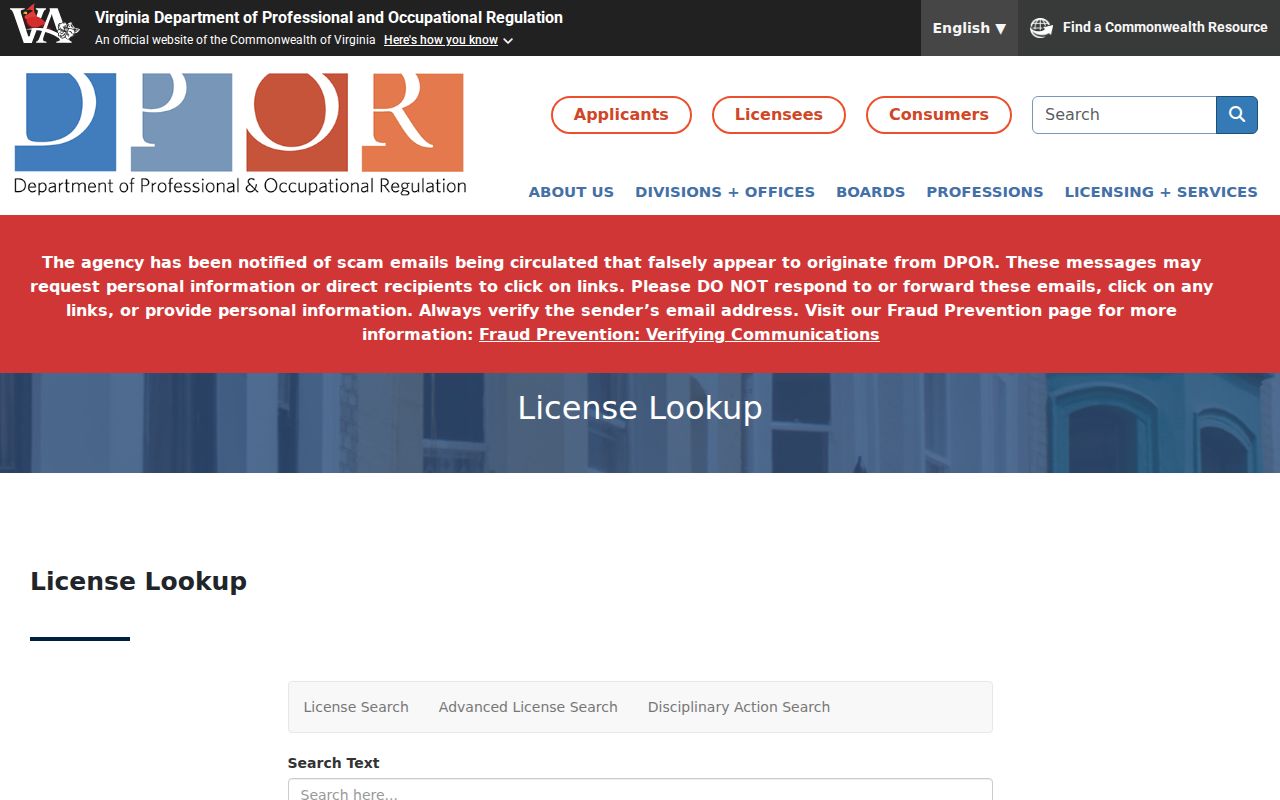
Match the license result against the appraiser's proposed scope and effective date. Credential verification, an assessor card, and a deed transfer amount are each useful. None of them is a current market appraisal.
What an Alleghany County Assessment Cannot Establish
An assessment roll value exists for taxation. It cannot promise what a buyer will pay. It sets no insurance replacement amount and draws no boundary. Time, property condition, acreage, financing, or non-market terms can all push a transaction away. The roll figure is not the price. A professional appraisal carries a stated purpose and effective date. The assessor's roll serves a different public function.
Value versus price. An Alleghany County assessed value is not a sale quote or appraisal. Obtain a qualified appraisal when a transaction depends on a current market opinion.